
Slab leak repair · Las Vegas, Nevada
Slab Leak Repair in Las Vegas, NV
Warm floor or unexplained water use?
Call (877) 364-0435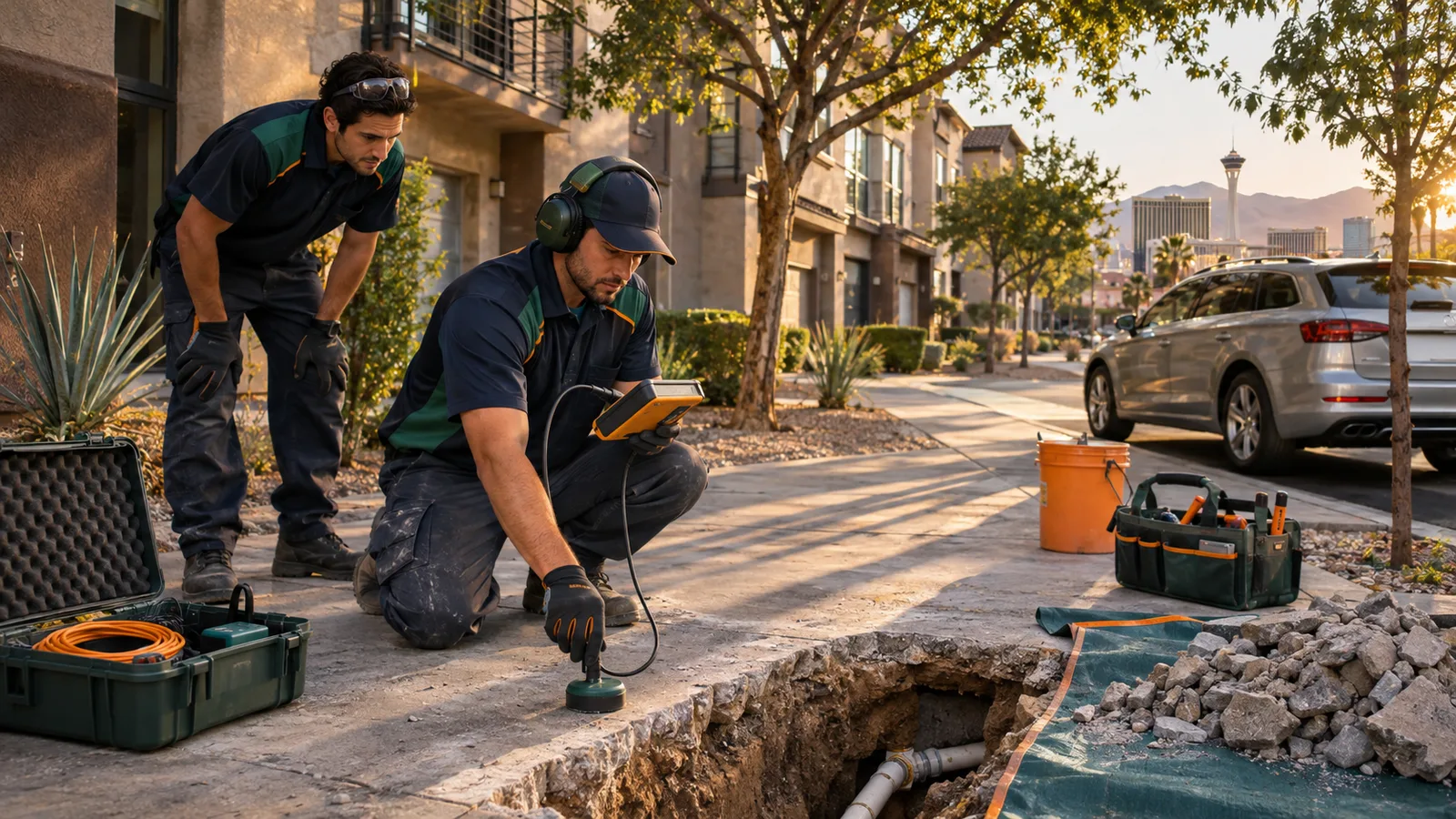
Finding the leak before opening the floor
Slab leak repair in Las Vegas starts with finding where water is escaping from a pipe beneath or within a concrete foundation. A warm patch of flooring, unexplained dampness, reduced water pressure, or the sound of running water when fixtures are off can point to a leak. Each sign has other possible causes, so the first job is to confirm the source before anyone opens the floor.
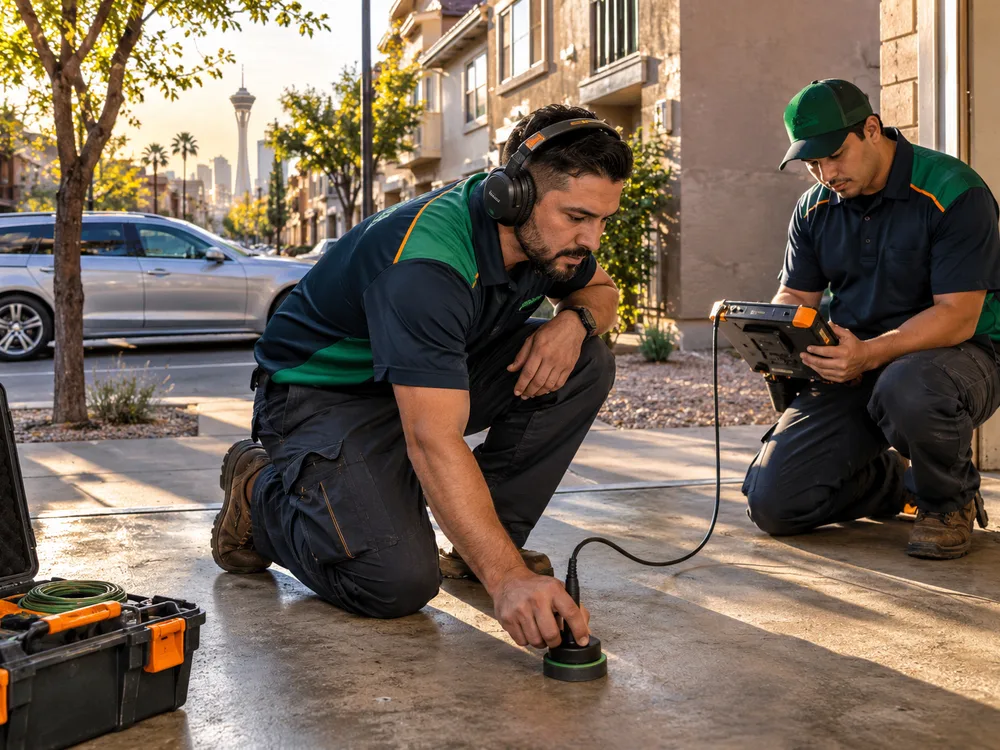
A contractor may check the water meter while fixtures are off, isolate supply lines, and use pressure testing to narrow down the affected pipe. Acoustic listening equipment can help locate escaping water beneath concrete. On a hot-water line, a warm floor may provide another clue, but heat alone does not pinpoint a break. The contractor should also consider leaks at fixtures, drains, or irrigation lines before recommending work on the slab.
Las Vegas homes commonly have slab-on-grade foundations, so a buried supply-line leak can affect flooring before the pipe is visible. In established neighborhoods such as Paradise and Winchester, the condition and route of existing pipes matter when weighing a localized repair against replacing a longer run. Ask the contractor to explain what the testing shows and which areas of the floor, if any, would need to be opened.
Las Vegas Slab Leak Repair: Choosing an Approach
Repair the damaged section
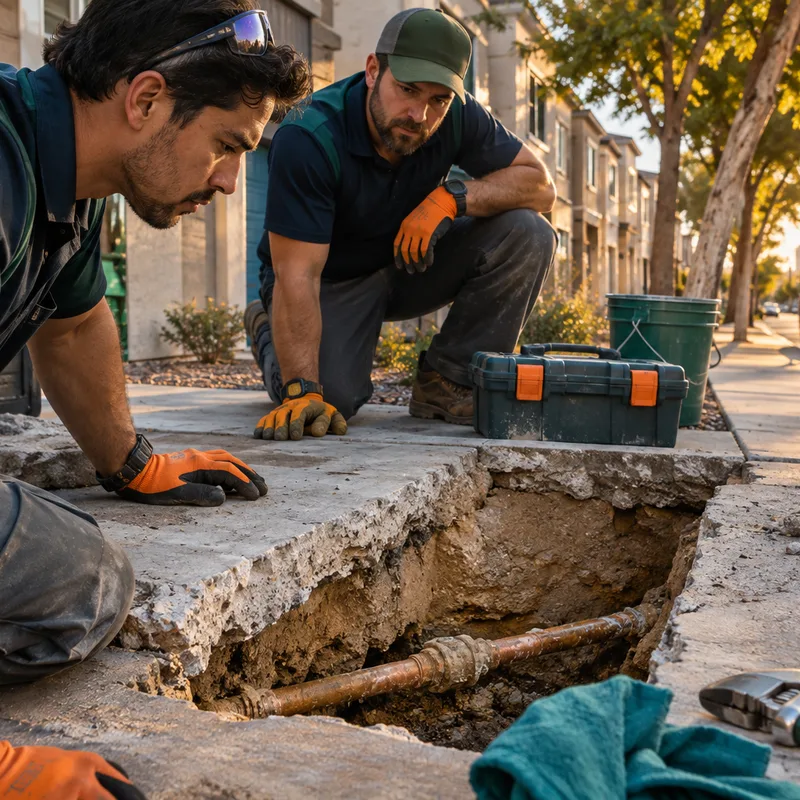
If testing identifies an accessible, isolated break, the contractor may open the slab at that point, repair the pipe, and test the line before the opening is closed. The floor finish may need separate restoration.
Reroute the supply line
A new pipe run through a wall or ceiling can bypass the leaking line beneath the slab. The route depends on the home's layout, the fixtures served, and where the pipe can be accessed.
Replace a longer run
When a pipe has multiple weak points or widespread deterioration, a single patch may leave other sections at risk. The contractor can explain whether replacing the affected run makes more sense.
Address remaining moisture
Stopping the leak comes first. Damp flooring, baseboards, or wall materials may still need to be assessed and dried after the pipe work. Ask how moisture will be checked before finishes are restored.
How the Call and Repair Process Works
Describe the signs
Note where you’ve noticed warmth or moisture and when it started. Phone hours and plumber availability vary.
Confirm the source
The contractor assesses the plumbing and explains which tests can distinguish a slab leak from another source of water. Locating the affected line helps limit unnecessary floor openings.
Review the repair plan
The contractor explains the proposed pipe work, access points, testing, and what floor restoration the plan includes. You get the quote from the contractor and decide whether to proceed.
Test and restore
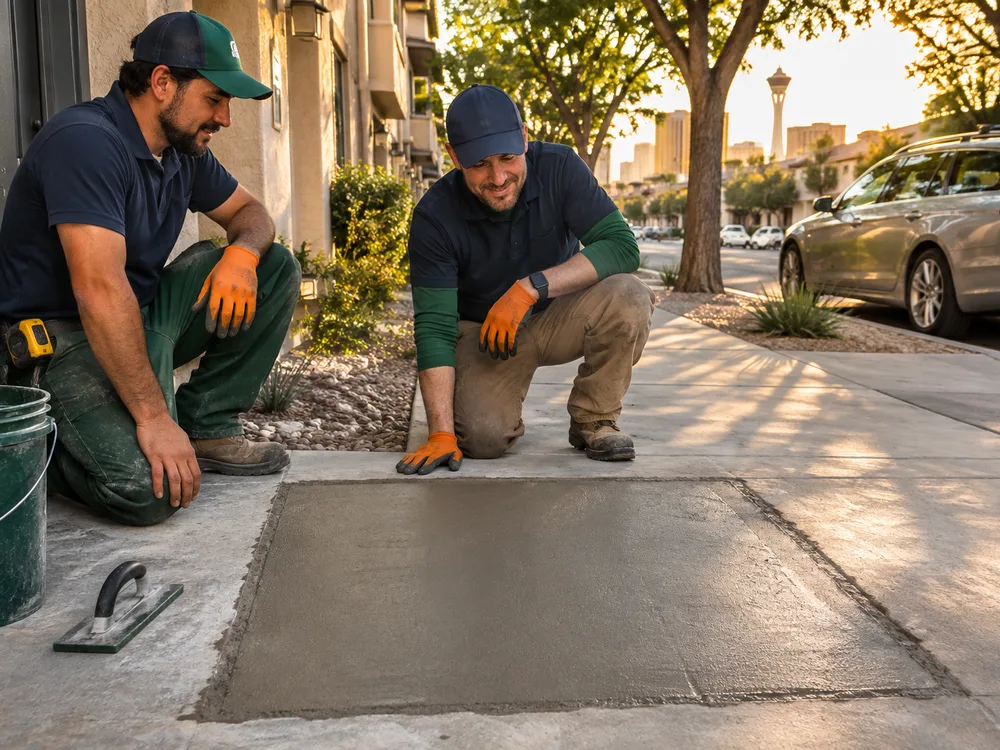
After the pipe is repaired or rerouted, the contractor tests the line for leaks. Concrete and flooring work can then be addressed according to the agreed scope.
What Slab Leak Work Can Involve
Questions to Ask About a Slab Leak
Does a warm spot on the floor mean the slab must be opened?
A warm spot alone does not establish where a pipe is leaking. A contractor can test the plumbing and assess other heat sources before recommending an opening in the floor.
How do I decide between repairing the pipe and rerouting it?
The choice depends on the condition of the affected line, the leak location, and a practical path for new pipe. Ask the contractor what testing supports the recommendation and how each option affects walls, floors, and fixtures.
Will the contractor put my flooring back?
Floor restoration depends on the work the contractor agrees to perform. Ask whether the quote covers concrete closure, drying, and replacement of tile, laminate, or other finishes so you know who will handle each part.
Should the water be shut off while I wait to discuss a suspected leak?
If water is actively spreading, shutting off the home's main water valve can limit further damage. The contractor can advise on isolating the affected line after assessing the plumbing; avoid using electrical outlets or equipment in wet areas.
What should I ask before agreeing to the repair?
Ask which pipe is leaking, how its location was confirmed, and what work is included after the pipe is tested. The contractor can explain access and restoration plans, provide the quote, and discuss any warranty terms; you decide whether to proceed.
Talk with a contractor about the leak beneath your floor
A local plumber can check for a leak beneath the slab and explain your repair options.
Call (877) 364-0435